Essential Tips for Caring for Farm Animals

Caring for farm animals is a rewarding yet challenging responsibility. Whether you are a seasoned farmer or a newcomer to the world of agriculture, understanding the needs of your animals is crucial for their health and well-being. This guide will provide you with essential tips to ensure your farm animals thrive in a safe and nurturing environment.

Understanding Animal Needs
Basic Needs of Farm Animals
Farm animals, like all living beings, have basic needs that must be met to ensure their health and happiness. These include:
Food: A balanced diet tailored to the specific species and age of the animal.
Water: Fresh, clean water should always be available.
Shelter: Protection from harsh weather conditions and predators.
Social Interaction: Many farm animals are social creatures and thrive in groups.
Healthcare: Regular health checks and monitoring are essential.
Species-Specific Requirements
Different species have unique needs. Here are some examples:
Cattle: Require ample grazing space and a diet rich in fiber.
Pigs: Need a clean, dry area to root around and explore.
Chickens: Benefit from a secure coop and access to outdoor space for foraging.
Understanding these specific requirements will help you create a suitable environment for each type of animal.
Nutrition and Feeding
Balanced Diet
Providing a balanced diet is fundamental to the health of your farm animals. Here are some tips:
Quality Feed: Invest in high-quality feed that is appropriate for the species and age of your animals.
Supplementation: Consider adding vitamins and minerals to their diet, especially during critical growth periods or breeding seasons.
Feeding Schedule
Establishing a consistent feeding schedule helps maintain the health of your animals. Here are some guidelines:
Regular Times: Feed your animals at the same times each day to create a routine.
Portion Control: Monitor portion sizes to prevent overfeeding or underfeeding.
Fresh Water: Always ensure that fresh water is available, especially during hot weather.
Housing and Environment
Proper Shelter
Creating a safe and comfortable living environment is essential for your farm animals. Consider the following:
Space Requirements: Ensure that each animal has enough space to move freely. Overcrowding can lead to stress and health issues.
Ventilation: Proper ventilation in barns and coops helps prevent respiratory problems.
Bedding: Use clean, dry bedding to keep animals comfortable and reduce the risk of disease.
Outdoor Access
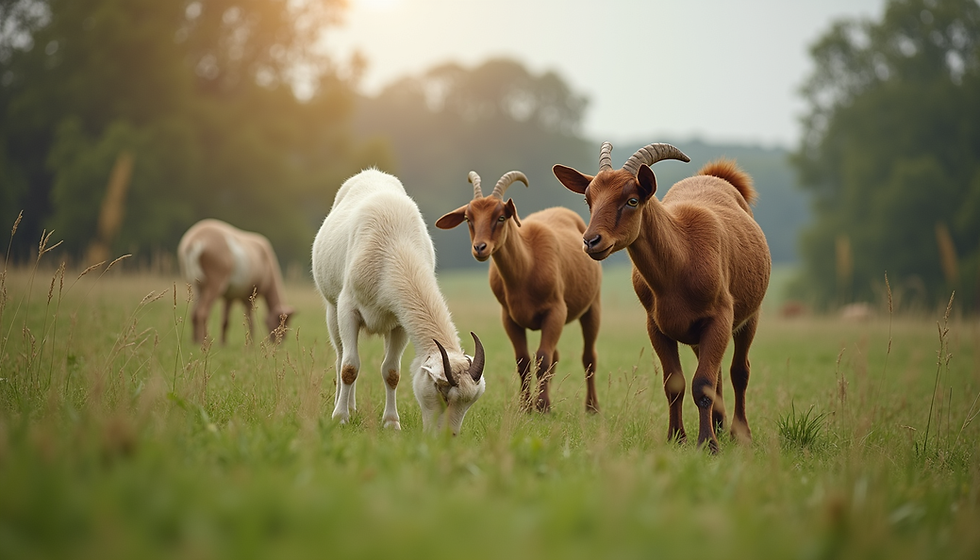
Allowing animals access to outdoor spaces can improve their quality of life. Here are some benefits:
Natural Behavior: Animals can engage in natural behaviors, such as grazing and foraging.
Exercise: Outdoor access promotes physical activity, which is vital for overall health.
Mental Stimulation: A varied environment keeps animals mentally stimulated and reduces boredom.
Health and Wellness
Regular Veterinary Care
Routine veterinary care is crucial for maintaining the health of your farm animals. Here are some key practices:
Parasite Control: Implement a parasite control program to protect your animals from infestations.
Health Checks: Conduct regular health checks to identify any potential issues early.
Signs of Illness
Being able to recognize signs of illness can save lives. Look for:
Changes in Appetite: A sudden decrease in food intake can indicate health problems.
Behavioral Changes: Lethargy or unusual behavior may signal illness.
Physical Symptoms: Watch for signs such as coughing, limping, or unusual discharge.
Handling and Training
Gentle Handling Techniques
Proper handling techniques are essential for the safety of both the animals and the handlers. Here are some tips:
Calm Approach: Always approach animals calmly and quietly to avoid startling them.
Use of Restraints: When necessary, use appropriate restraints to ensure safety during handling.
Positive Reinforcement: Use treats and praise to encourage good behavior during training.
Training for Safety
Training your animals can enhance safety and improve their quality of life. Consider these strategies:
Basic Commands: Teach basic commands to facilitate handling and movement.
Socialization: Introduce animals to different environments and people to reduce fear and anxiety.
Routine Training: Regular training sessions help reinforce good behavior and build trust.
Record Keeping
Importance of Records
Keeping detailed records is vital for effective farm management. Here are some reasons why:
Health Monitoring: Track vaccinations, health issues, and treatments for each animal.
Breeding Records: Maintain records of breeding dates, offspring, and lineage.
Feeding Schedules: Document feeding routines and dietary changes.
Tools for Record Keeping
Utilize tools to streamline your record-keeping process:
Digital Apps: Consider using farm management software to keep track of animal health and productivity.
Spreadsheets: Simple spreadsheets can be effective for tracking basic information.
Physical Logs: Maintain a physical logbook for quick reference.
Conclusion
Caring for farm animals requires dedication, knowledge, and compassion. By understanding their needs, providing proper nutrition, ensuring a safe environment, and maintaining health through regular veterinary care, you can create a thriving farm. Remember, the well-being of your animals directly impacts the success of your farming operation. Take these tips to heart, and you will foster a healthy and productive farm environment.
As you embark on your journey in animal husbandry, keep learning and adapting your practices to meet the evolving needs of your animals. Your commitment will not only benefit them but also enrich your farming experience.


Comments